

Article
If your hair feels thinner, drier, or easier to break than it used to, the real problem is often not a lack of products. It is a lack of a routine that is simple enough to repeat and gentle enough to support fragile hair over time.
Batana Oil works best when it is part of a ritual, not a random last-minute step. That means knowing when to apply it, how much to use, how long to leave it on, and what kind of wash step should follow it.
The goal is consistency, not intensity
One heavy treatment does not outperform a steady routine. For most readers, the better question is not whether Batana Oil is "strong enough." The better question is whether the routine around it is realistic enough to repeat every week.
When people struggle with oil treatments, it is usually because one of three things happens:
- they apply too much and make washing harder
- they apply too little and expect dramatic results
- they treat the oil like a one-off rescue step instead of part of a repeatable system
That is why a strong article page should not only explain Batana Oil. It should also give the reader a direct path into the right product bundle the moment the routine makes sense.
Start with a scalp-first application
If thinning is part of the concern, begin at the scalp rather than treating the oil like a finishing serum. Work in sections, apply a small amount with intention, and massage it into the areas that need the most attention.
Then pull the remaining oil through the mid-lengths and ends. That gives dry hair extra support without forcing you to overload the root area.
A simple weekly structure
- Section dry hair before application.
- Apply a modest amount to the scalp and massage thoroughly.
- Pull the remainder through fragile lengths and ends.
- Let the oil sit long enough to do the work, ideally before a planned wash.
- Cleanse with a gentle shampoo so the routine feels restorative, not stripping.
Leave enough time for the treatment to matter
Readers often want a precise number, but the useful answer is contextual: Batana Oil needs real contact time. A rushed five-minute application right before stepping into the shower rarely feels like a full ritual.
For most people, a pre-wash window that gives the oil time to soften the hair and sit against the scalp is a better starting point than a rushed application. The exact timing can flex, but the principle should stay consistent: give the treatment enough time to behave like a treatment.
Pair the oil with a gentler wash step
One of the easiest ways to sabotage an oil routine is to follow it with a cleanse that leaves hair feeling stripped. If the goal is to support fragile hair, the wash step should feel compatible with the treatment, not like it is undoing it.
That is where a product system becomes a conversion advantage inside the article. Instead of telling readers to "find a gentle shampoo somewhere," the page can move them directly into a ritual that already fits the educational advice.
| Routine question | Better answer |
|---|---|
| What do I use after the oil? | A gentle, non-stripping cleanse that removes residue without roughing up fragile hair. |
| Should I condition after washing? | Yes, if the hair needs softness, slip, and easier detangling. |
| Do I need a full system? | Not always, but a full system reduces mismatch between treatment and wash-day steps. |
The easiest starting point depends on the reader
Not every reader should enter the ritual the same way. That is why article CTAs should not all force one identical offer.
- Readers who want the most complete routine should see the full system first.
- Readers who already have a wash routine may want to start with the 4 oz Batana treatment.
- Readers who are cautious about new routines may prefer the smaller 2 oz entry point.
That mix is good CRO and good user experience. The article teaches first, then routes different readers toward the offer that actually fits them.
What to expect from the first few weeks
The first win is rarely a dramatic overnight transformation. More often, the early signals are that hair feels less brittle, wash day becomes easier to manage, and the routine feels sustainable enough to keep doing.
That is another reason to design blog articles like landing pages instead of plain text blocks. The best article pages reinforce the next step with proof, clarity, and low-friction purchase options while the reader still has momentum.
A better article structure converts because it removes the extra step
Most blog posts lose readers at the exact moment interest turns into intent. The advice is good, but the reader has to back out, find the shop, compare products, and guess which one maps to what they just learned.
The structure we want instead is:
- a hero that explains the promise fast
- a body that answers the real search question cleanly
- product CTAs that appear after useful context, not before it
- direct add-to-cart buttons that keep the next step obvious
That is better for readers, stronger for CRO, and more aligned with how AI systems and search engines reward pages that are both useful and decisive.
The simplest next step
If the reader wants the lowest-friction path, start with the full ritual. If they want to test the treatment first, start with the oil. The article should support both choices clearly and let the reader act without losing the thread.
Shop the ritual
Bring the article into your routine.
Start with the system, the hero oil, or the wash-day pair based on where you are in the routine.
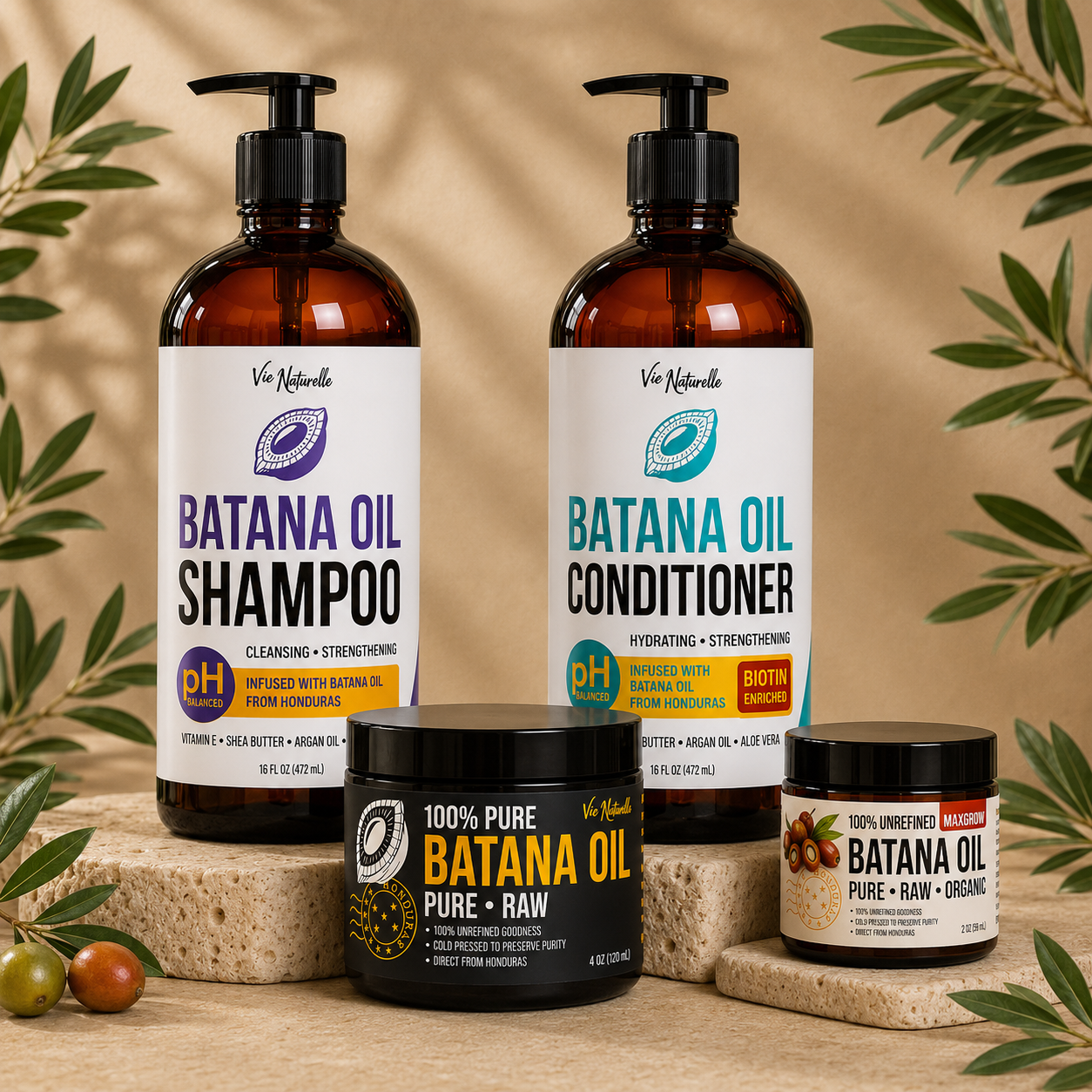
Hair Ritual Bundle
The Vie Naturelle Ultimate Bundle
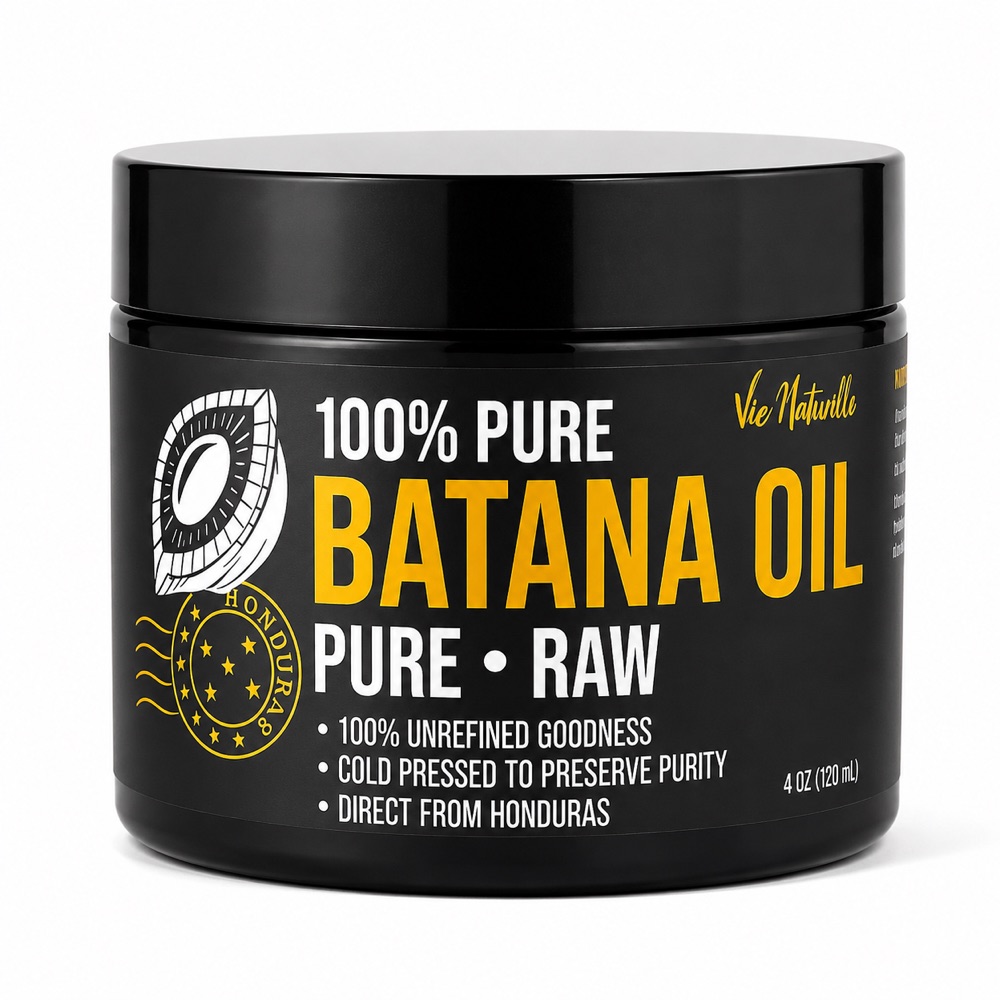
Hair Treatment Oil
Pure Batana Oil
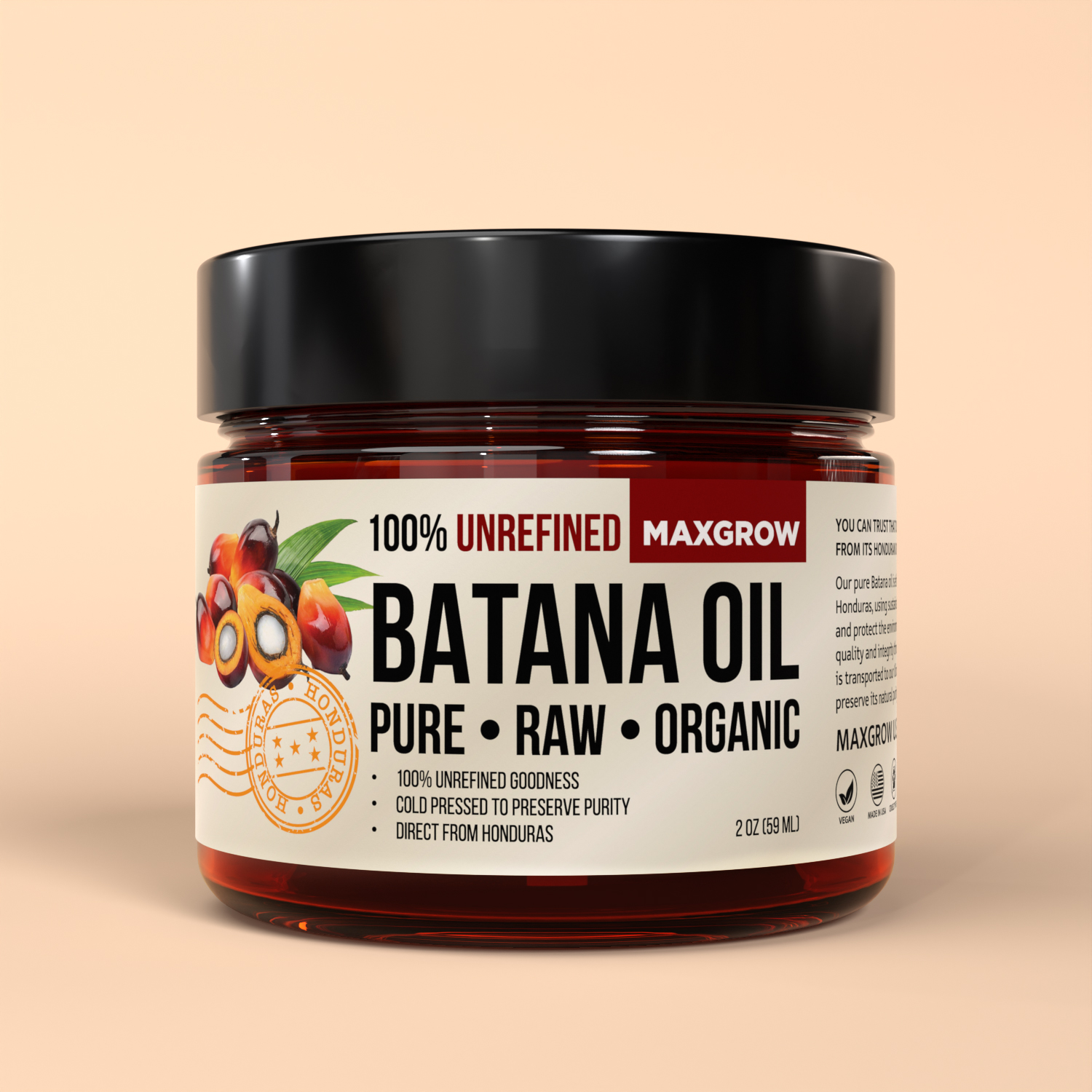
Hair Treatment Oil
Pure Batana Oil — 2 oz
FAQ
Frequently asked questions.
The most common questions readers ask before they start the ritual.
Should I start with Batana Oil alone or the Complete System?
If you want the simplest path, start with the Complete System. It gives you the treatment, the cleanse, and the conditioning step in one routine, which removes guesswork. If you already have a wash routine you trust, starting with the 4 oz Batana Oil alone is the cleanest next step.
How often should I use Batana Oil for thinning or fragile hair?
Most readers do better with a repeatable weekly rhythm than with random heavy treatments. Use it consistently enough that the ritual becomes part of wash day, then adjust based on how your scalp and lengths respond.
How long should I leave Batana Oil on before washing?
Give it real contact time. A rushed five-minute application rarely feels like a full treatment. A pre-wash window that lets the oil sit on the scalp and lengths is the better starting point.
What should I use after the oil treatment?
Follow it with a gentle cleanse, then condition if your hair needs softness, slip, and easier detangling. The goal is to support fragile hair without making the routine feel stripping or heavy.
Which product is best if I want a lower-commitment starting point?
Start with the 2 oz Batana Oil if you want the smallest first step. It gives you the same core treatment in a smaller jar, while the 4 oz and the Complete System are better for readers ready to commit to the full ritual.
Still have a question? Email support.